
Wedding Dances That Mean Something: A Guide for Santa Barbara Couples
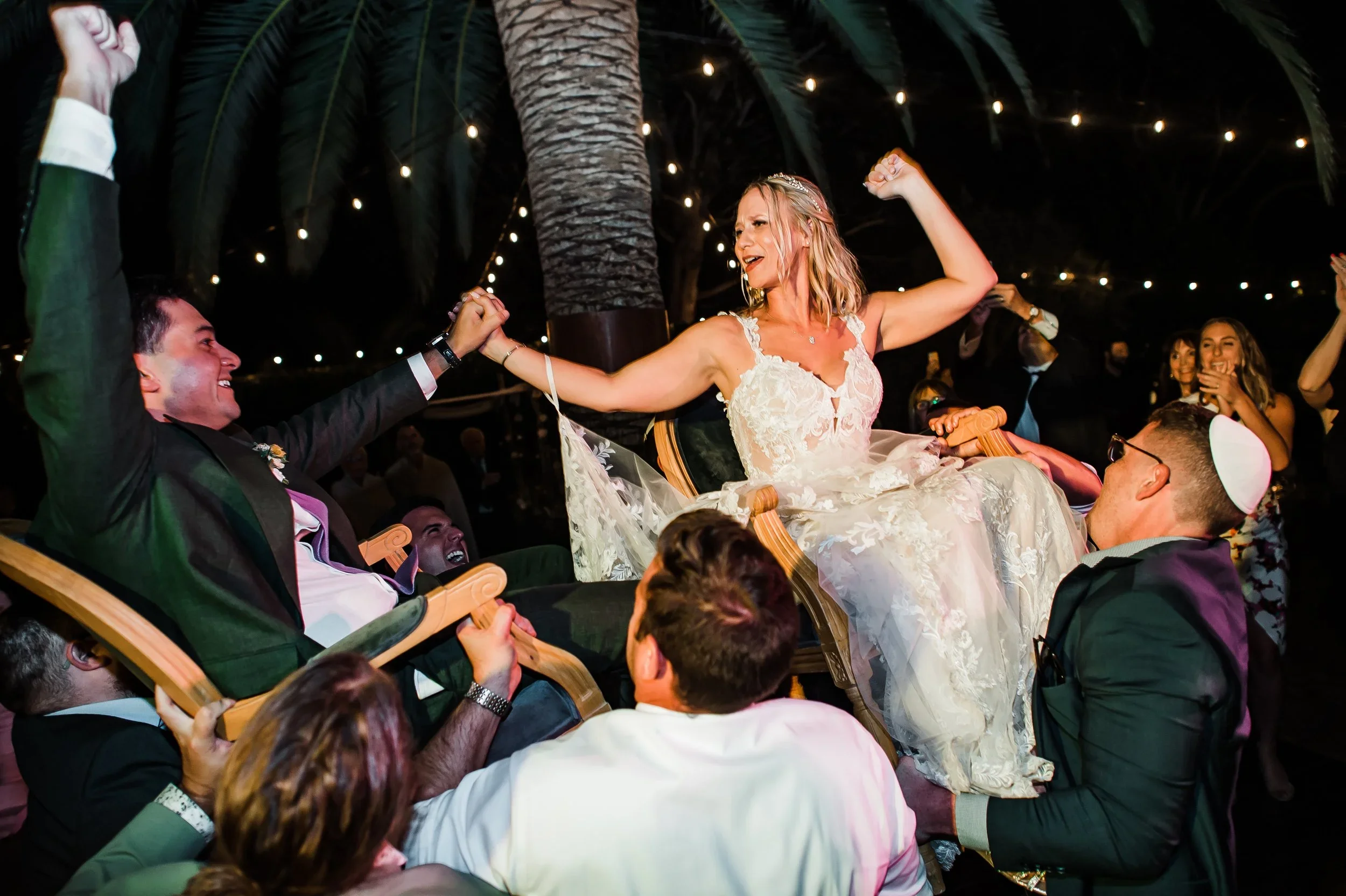
Photo by Michelle Ramirez Photography
I'm Italian, so La Tarantella is in my blood.
I've seen more Horas than I can count and watched couples get lifted six feet in the air on a chair.
I'm a traditionalist who defies tradition — and wedding dances are my love language.
After years of working with couples across Santa Barbara's South Coast, I can tell you this: the dances at your wedding are not filler between the vows and the cake. They are culture. They are history. They are the moments your guests will talk about for years.
So let's talk about what they actually mean.
Part 1: International Dances — Where Every Step Tells a Story
La Tarantella — Italy
If you've ever been to an Italian wedding, you know the moment. The tempo rises, someone grabs someone else's hand, and suddenly everyone is spinning in circles, whether they planned to or not. La Tarantella originated in Southern Italy — legend has it the frenzied spinning was a cure for a tarantula bite. At weddings, it became a celebration of joy, luck, and the kind of abandon that only happens when everyone you love is in the same room. It is loud. It is chaotic. It is pure life.
Santa Barbara connection: With the region's deep Italian winemaking heritage, La Tarantella feels right at home at a vineyard wedding in the Santa Ynez Valley.
The Hora — Jewish Tradition
Few moments in any wedding are as visually arresting as the Hora. Guests form a circle, the energy builds, and then the couple gets lifted into the air on chairs, holding the ends of a cloth or napkin between them, rising above the room while everyone below dances and cheers. It is simultaneously terrifying and transcendent. The Hora is a communal act of joy — the entire room literally and figuratively holding you up as you step into your new life together. There is nothing quite like it.
Pro tip: Make sure your chair holders are sturdy and sober. Ask me how I know.
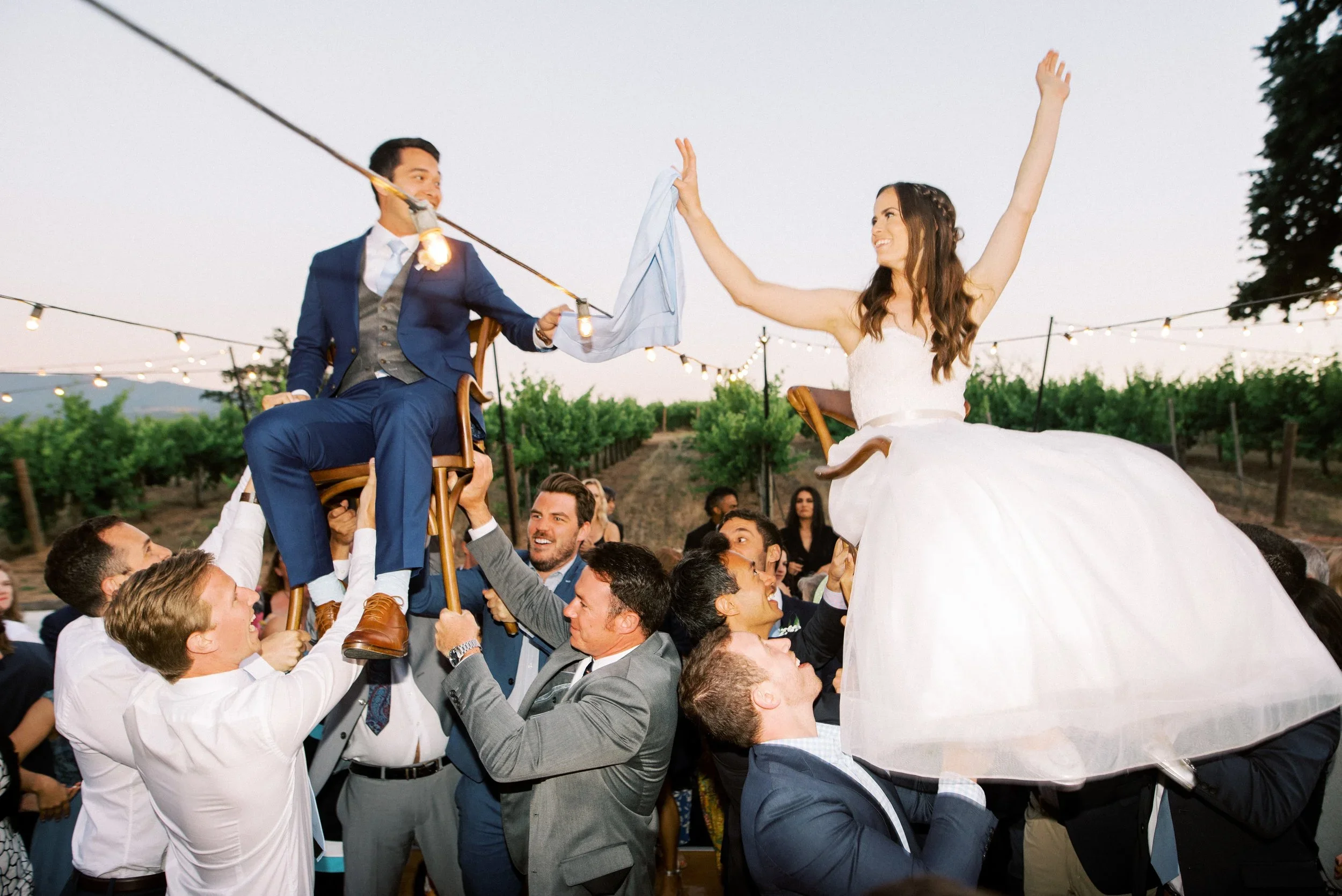
Photo by Loveridge Photography
Jumping the Broom — African-American Tradition
This is one of my favorite traditions in all of wedding culture — and one of the most meaningful. At the end of the ceremony, the couple jumps over a decorated broom together. Rooted in African-American history, jumping the broom symbolizes sweeping away the old life and stepping together into the new. It is an act of intention, of crossing a threshold as one. I have seen it done at weddings of every background, and it never fails to move the room.
The broom itself is often beautifully decorated and kept as a piece of home decor — a reminder of the moment every single day.
Baile Folklórico — México
Here in Santa Barbara, we know this one well. Every August during Fiesta, the color and footwork of Baile Folklórico fills State Street with the kind of joy that is impossible to stand still for. At a wedding, it is an absolute showstopper — swirling skirts, percussive footwork, and a celebration of regional Mexican heritage and pride that connects generations in a single dance. If you have Mexican roots, this is not just a performance. It is a declaration.
Santa Barbara connection: With Fiesta deeply woven into the city's identity and a vibrant Latino community throughout the South Coast, Baile Folklórico at a Santa Barbara wedding feels like a love letter to the place itself.
The Bollywood Sangeet — Indian Tradition
In Indian weddings, the Sangeet is an entire celebration the night before the ceremony — family and friends rehearse and perform choreographed Bollywood dances for the couple. It is not entertainment. It is an act of love that takes weeks of preparation and results in some of the most joyful, high-energy moments in all of wedding culture. Indian weddings in Santa Barbara are growing in presence and beauty, and the Sangeet is one of the traditions that stops everyone in their tracks.
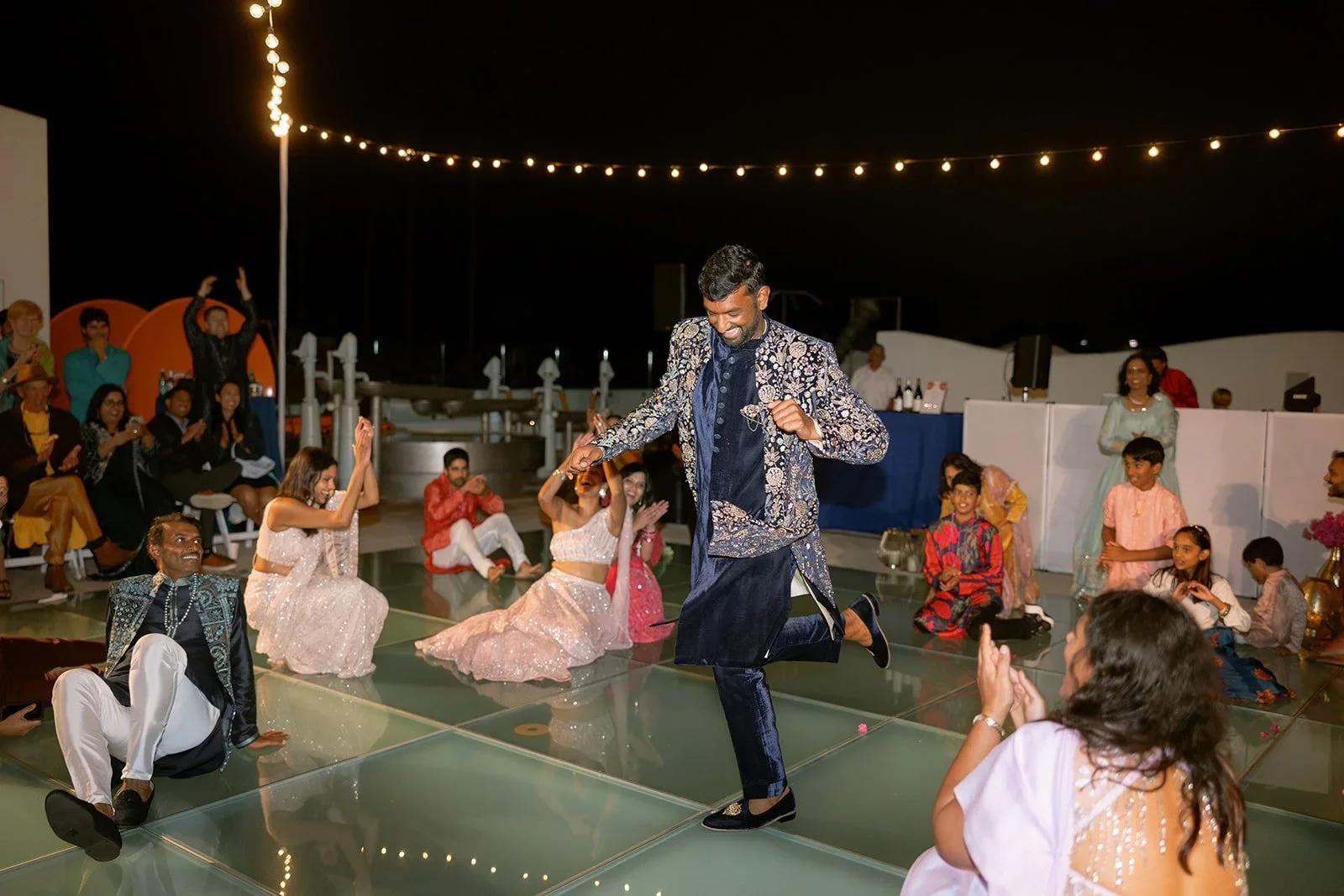
Photo by Anna Delores Photography
The Hora Loca — Latin Tradition
Translated literally as "the crazy hour," the Hora Loca is a Latin wedding tradition where the reception suddenly erupts — masks, noisemakers, carnival costumes, percussion instruments — turning the dance floor into a full celebration mid-reception. It typically arrives as a surprise, announced only by the change in music and the chaos that follows. If your crowd has energy to burn, the Hora Loca is your moment.
Part 2: Incorporating Your Guests — Make Them Part of the Story
The best weddings don't have an audience. They have participants. These are the dances and traditions that pull your guests off their chairs and into your day.
The Anniversary Dance
This is one of the most quietly powerful moments you can create at your reception. The DJ invites all married couples onto the dance floor. Then, one by one, they are asked to leave based on years married — couples together less than five years, please sit. Less than ten. Less than twenty. What remains are the couples who have been married the longest — sometimes forty, fifty, sixty years — still standing, still dancing, while the room watches. The last couple standing shares their secret with the newlyweds and the microphone. I have never seen this done without tears. It reframes your wedding as not just the beginning of your story, but part of a much longer lineage of love.
This one works at every wedding, for every couple, every time. Do not skip it.
The Dollar Dance / Money Dance
This tradition appears in Filipino, Greek, Mexican, Turkish, Polish and many other cultures, which tells you something about its universality. Guests line up to dance briefly with the bride or groom, pinning or handing money to them as they do. It is a blessing, a wish, and a practical gesture of support as you begin your new life. In some cultures, it is done with great ceremony. In others, it is playful and loud. Either way, it is one of the few wedding traditions where guests actively give something of themselves in the moment — and that makes it memorable for everyone.
The Circle Dance — Various Cultures
The Hora is the most well-known, but circle dances appear across Greek (Kalamatianos), Lebanese and Palestinian (Dabke), Irish (Céilí), and Scottish (Reeling) traditions. What they share is the same impulse — a community moving together, no hierarchy, no performance, just collective joy. If you have guests from any of these backgrounds, giving them a moment to form their circle on your dance floor is a gift to them and a memory for you.
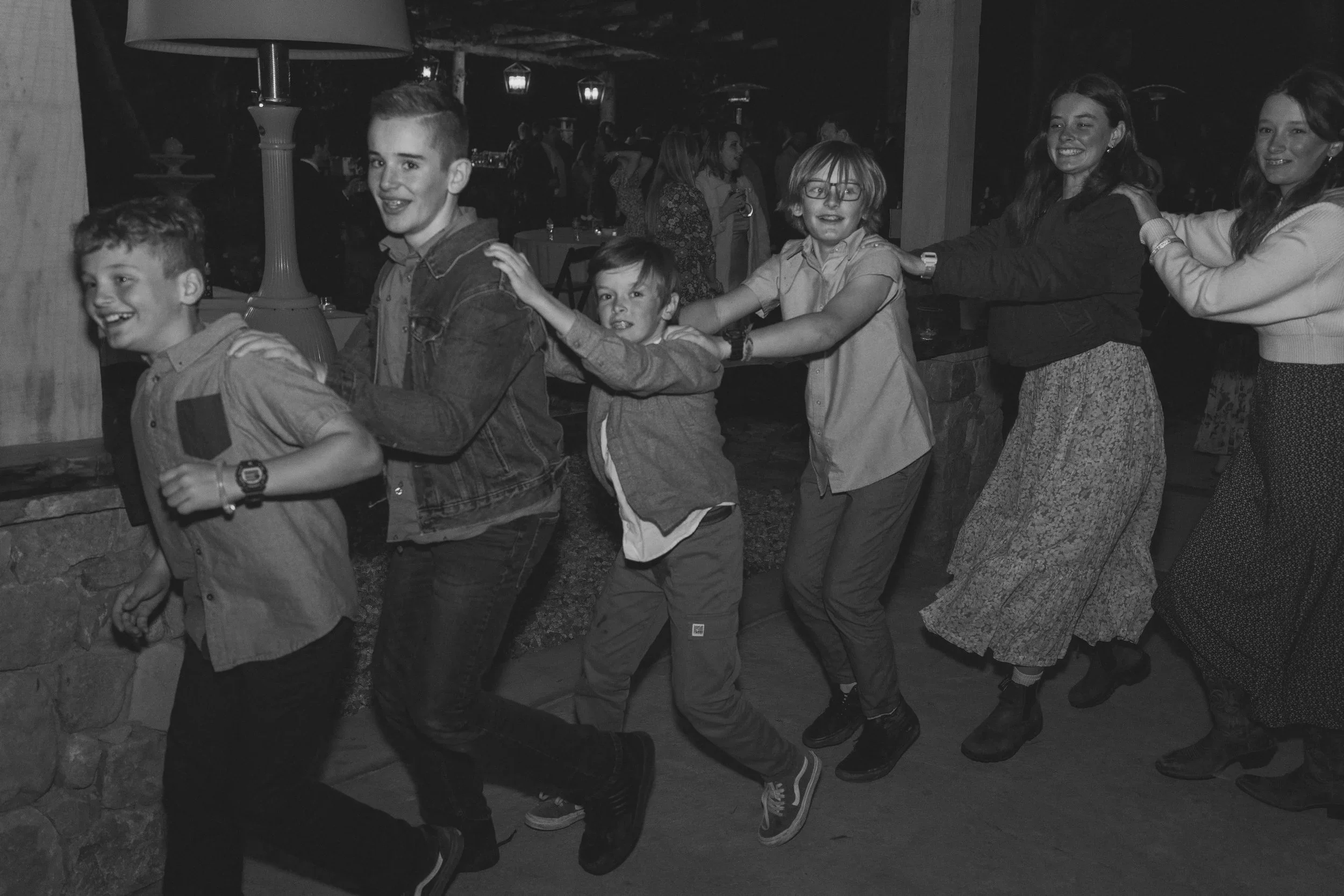
Photo by Anna Joy Creative
Part 3: The Traditional Dances — The Ones That Make Everyone Cry
These are the three that will make everyone reach for a tissue. They look like tradition. But what they really are is a love letter danced in front of everyone you care about.
The First Dance
Every culture has its own version of this moment — the first time a newly married couple moves together on the dance floor. What makes it extraordinary is not the choreography or the song, though both matter. It is the privacy of it, happening in public. For three minutes, it is just the two of you, and everyone else is simply witnessing. Choose a song that means something real. Take your time. Let it be exactly as long as it needs to be.
Santa Barbara tip: Work with a local instructor like Andrew Murray School of Dance to choreograph something that feels like you — whether that's a sweeping waltz or something completely unexpected.
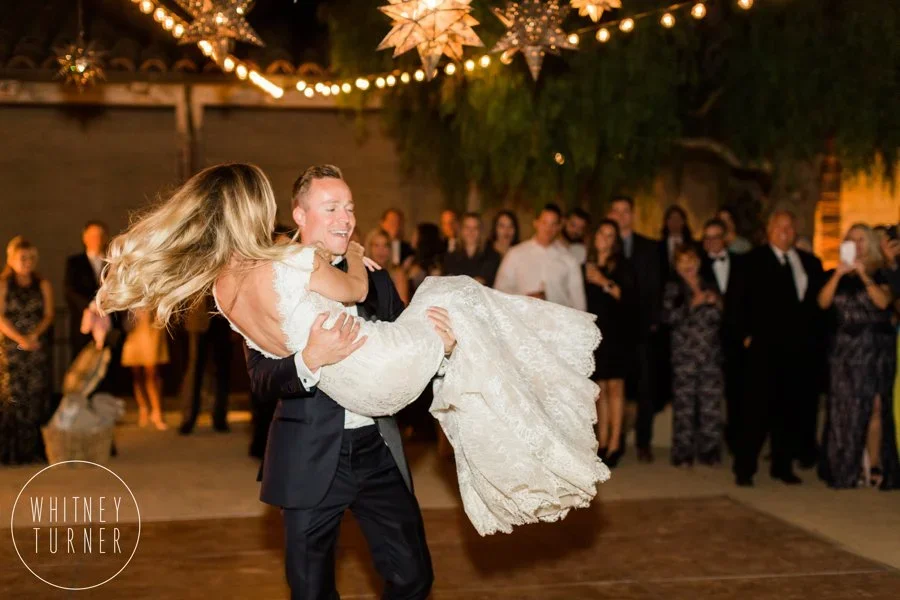
Photo by Whitney Turner
The Father/Daughter Dance
Originally rooted in the tradition of a father giving his daughter away, this dance has evolved into something far more personal and beautiful. Today it is simply a public thank you — for the man, or woman, or person who shaped who she became. Brides dance with stepdads, grandfathers, brothers, and sometimes multiple father figures at once. The tradition has made room for every family configuration, and it is stronger for it.
Bring extra tissues. For the father especially.
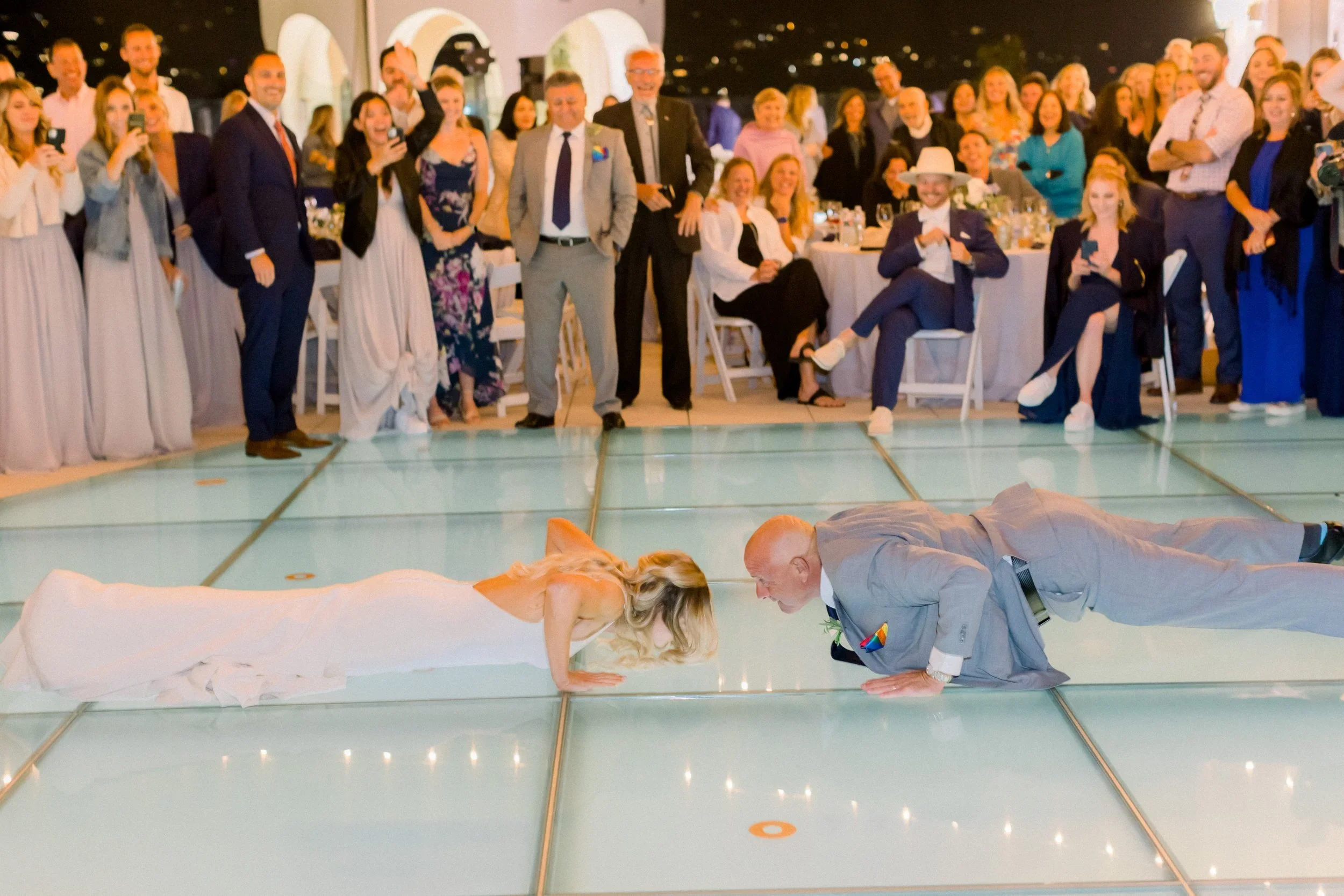
Photo by James & Jess Photography
The Mother/Son Dance
She is not losing a son. She is making space for his new family. That is what this dance says, without a word being spoken. It is a groom's way of standing in front of everyone he loves and saying — I see you, I honor you, and I carry everything you gave me into this next chapter. Mothers of grooms are often the most overlooked person at a wedding. This dance gives her the moment she deserves.
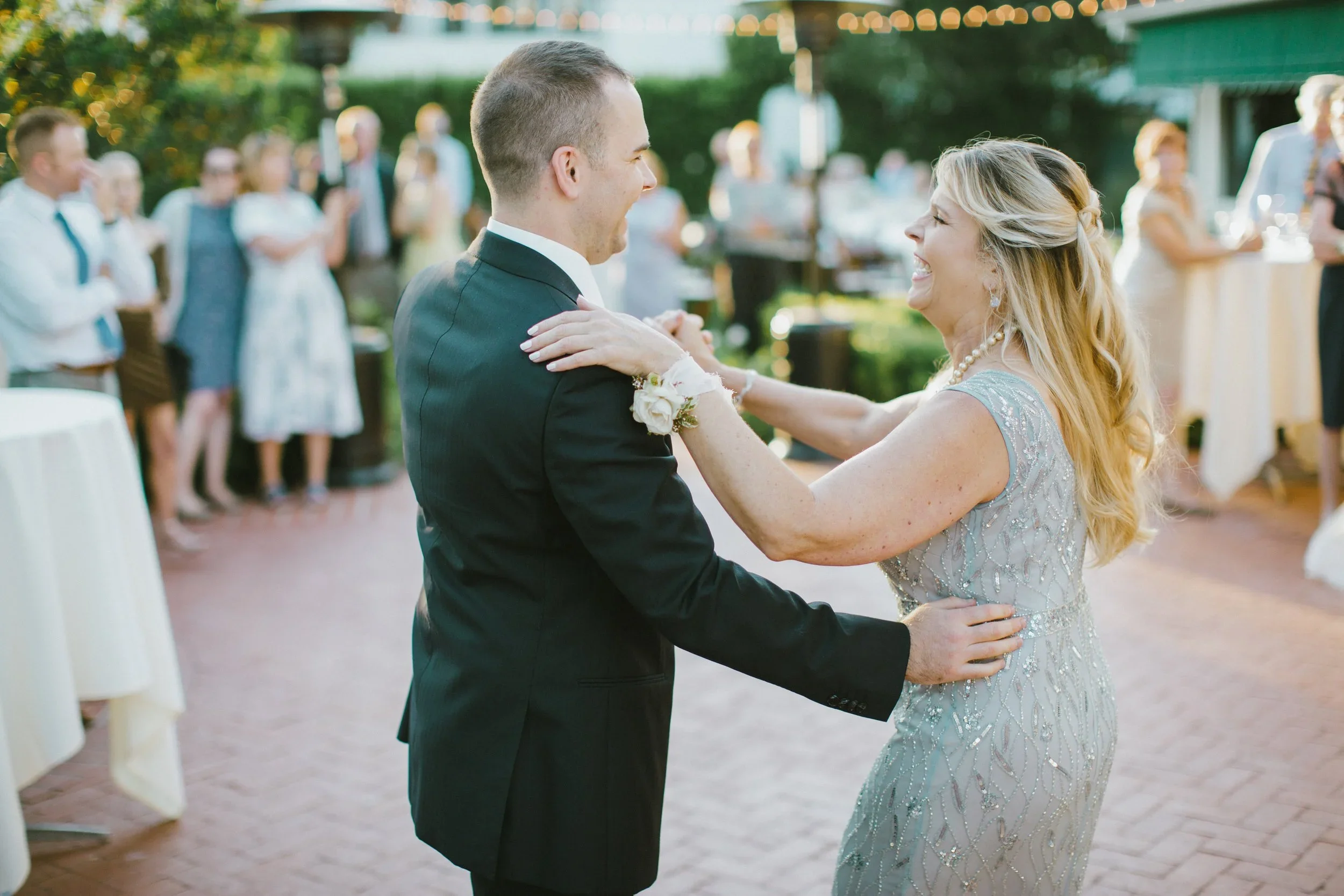
Photo by Ryanne Bee Photography
A Final Note
Your wedding dances are yours to choose, reimagine, combine, and make completely your own. You can jump the broom AND do the Hora. You can open with Baile Folklórico and close with a waltz. You can have your grandmother lead the Tarantella and your guests leave with sore feet and full hearts.
That is the whole point.
If you are looking for guidance on how to bring any of these traditions to life, we recommend connecting with Arthur Murray Dance Studio — and staying tuned to SantaBarbaraWedding.com for more inspiration, real Santa Barbara wedding stories, and the vendors who make it all possible.