
Picking Wedding Flowers That Complement Your California Celebration
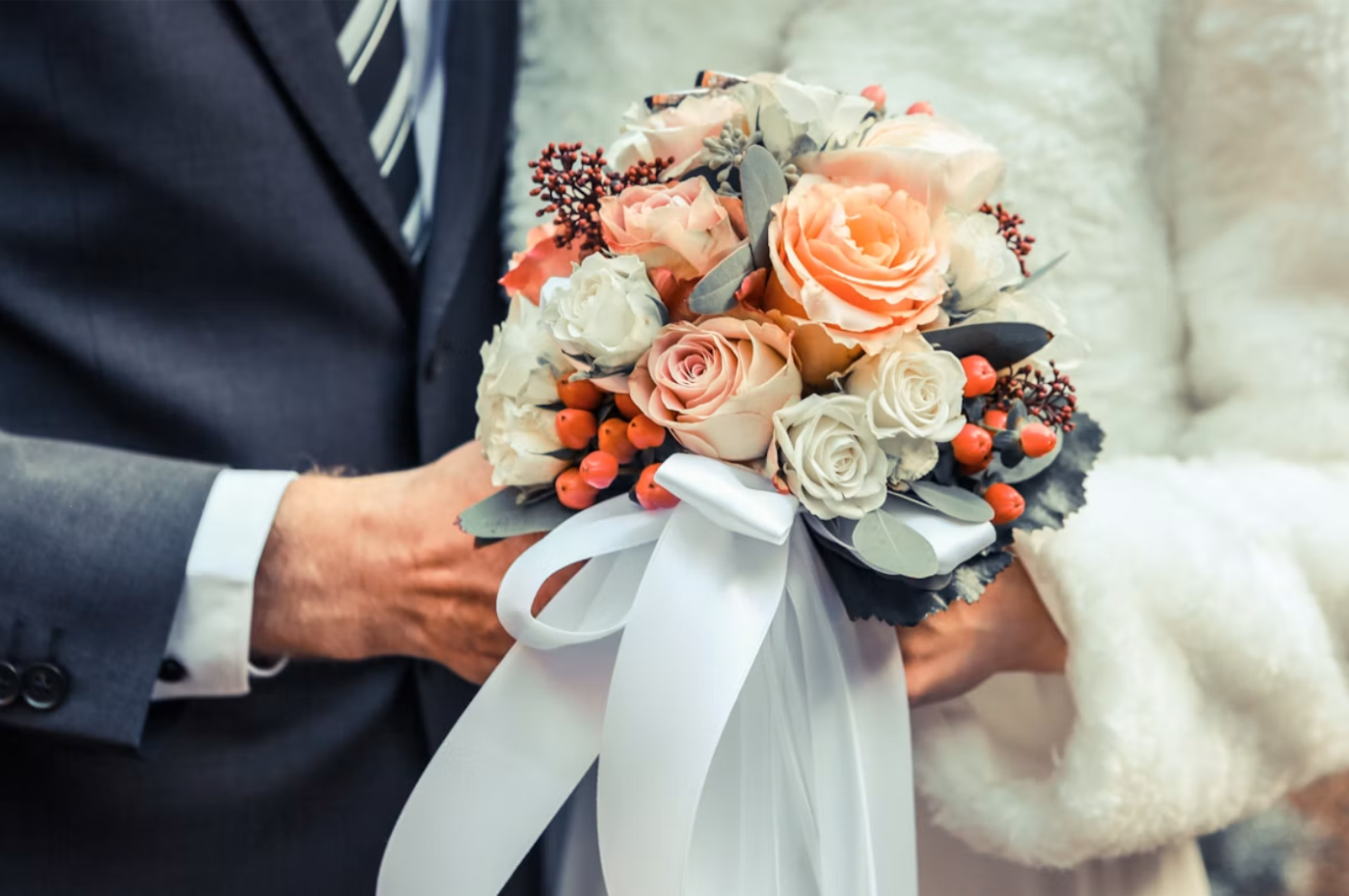
Flowers that clash with the venue, climate, or overall aesthetic are money wasted. The right flower choices do more than decorate tables. Well-matched arrangements tie your ceremony to the landscape, hold up under a Malibu sea breeze or a Napa Valley August afternoon, and photograph with the kind of color depth that makes albums worth revisiting 20 years later. This guide walks you through practical decisions – from matching stems to specific California styles, to understanding what thrives in each microclimate across the state.
Why California Weddings Demand A Different Floral Strategy
California stretches roughly 900 miles from the Oregon border to San Diego. That range creates at least seven distinct climate zones relevant to wedding florals. A vineyard reception in Paso Robles in July hits 95°F by 2 p.m. A coastal ceremony in Half Moon Bay rarely breaks 65°F even in August. Flowers respond to heat, humidity, and wind differently – so a blanket Pinterest board won't cut it here.
Temperature alone eliminates certain options. Garden roses wilt fast above 85°F without constant misting. Dahlias – a favorite among California brides – hold up well in moderate coastal climates but struggle at inland venues like Temecula or Palm Springs. Meanwhile, protea and succulents handle heat and dry air like natives, because many of them essentially are.
Match Your Venue Style to the Right Blooms
Coastal and Beachfront Ceremonies
Ocean breeze carries salt. Salt dries petals. Florists working along the PCH from Santa Barbara to Laguna Beach typically recommend hearty textures: king protea, banksia, anemones, and sea holly (Eryngium). These hold structure in wind and don't brown at the edges within two hours of arrangement.
King protea – one bloom spans 6–8 inches and anchors a bridal bouquet solo
Sea holly – adds a steel-blue tone that mirrors the Pacific
Eucalyptus greenery – tolerates salt mist and adds a fragrant, silvery drape
Scabiosa pods – withstand wind and create airy movement in centerpieces
Skip delicate hydrangeas at beach venues. In my experience, even well-hydrated hydrangea clusters start browning within 90 minutes of ocean-air exposure at a Santa Monica setup.
Vineyard and Wine Country Receptions
Napa, Sonoma, Paso Robles, and Temecula – these regions scream richness. Deep burgundy dahlias pair naturally with the rolling vine rows. Florists in Sonoma County often build arrangements around café au lait dahlias (a single stem costs $4–$8 at peak season in August) accented by ranunculus in burnt orange, garden roses in mauve, and trailing amaranthus.
A useful trick: ask your florist to incorporate actual grape vine clippings or olive branches from the property. Most vineyard coordinators welcome the request. The foliage costs nothing and roots the arrangement to the physical place.
Desert and Palm Springs Celebrations
Palm Springs wedding season runs October through April, when daytime temperatures hover between 75°F and 88°F. Succulents, pampas grass, dried palms, and bougainvillea dominate the desert aesthetic for good reason – all of them handle arid conditions without water tubes. A single statement pampas plume stands 4–6 feet tall and costs roughly $8–$15 per stem, so ten plumes create a dramatic ceremony backdrop for under $150.
One note: check your venue's fire regulations. Several Joshua Tree and Coachella Valley venues restrict dried botanicals during red-flag wind warnings.
Rustic Ranch and Garden Estates
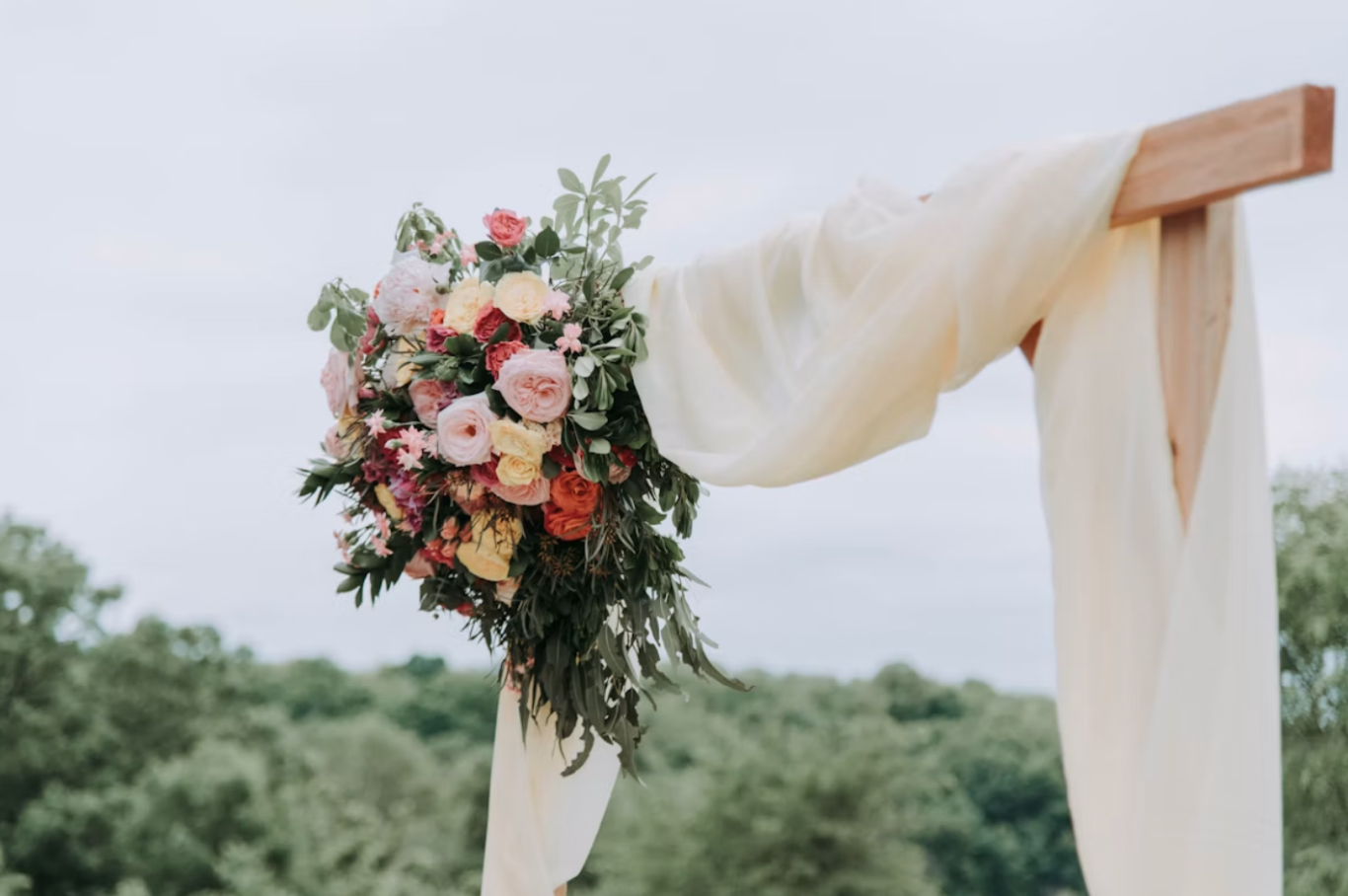
California's inland valleys – from the Santa Ynez ranch corridor to the Gold Country foothills near Placerville – favor loose, just-picked styling. Sweet peas bloom locally from March through June. Chamomile, lavender, and cosmos grow abundantly in the Central Valley. A florist sourcing locally in this region can reduce per-arrangement costs by 20–30% compared to importing Dutch-grown stems.
Seasonal bloom availability across California
Timing matters more than most couples realize. California flower farms – concentrated in Carpinteria, Watsonville, and the Salinas Valley – grow about 75% of all commercially produced cut flowers in the United States. That proximity gives California weddings an advantage. But "local" doesn't mean "always available."
| Season | Peak local blooms | Best suited styles |
|---|---|---|
| January – March | Ranunculus, tulips, sweet peas, hellebores | Romantic garden, intimate elopement |
| April – June | Peonies (peak: late April–May), garden roses, lisianthus | Classic formal, vineyard, estate |
| July – September | Dahlias, zinnias, sunflowers, celosia | Bohemian, rustic ranch, outdoor farm |
| October – December | Chrysanthemums, dried grasses, protea, berries | Desert chic, moody autumn, coastal |
Peonies deserve a special mention. Couples planning June weddings frequently request peonies, but peak peony season in California ends around mid-May. By late June, florists import peonies from Alaska or the Netherlands, and prices jump from $6 per stem to $12–$15. Moving your wedding date by just two to three weeks saves hundreds of dollars on a peony-heavy design.
Practical Steps to Lock Down Your Floral Plan
Start by nailing your venue and date. Then follow a clear sequence:
Photograph your venue at the same time of day as the ceremony – natural light reveals which tones will pop and which will wash out
Collect 15–20 floral images you love, then edit down to eight that share a consistent palette
Book a florist consultation at least six months before the date – top California wedding florists fill their spring calendars by September of the prior year
Request a mock-up arrangement using your top three bloom choices, and photograph the mock-up at the venue before committing
Confirm a backup bloom list with your florist for every primary flower, because supply-chain disruptions affect even local growers
Couples in Ventura County and surrounding areas often rely on Simi Valley flower delivery services to source specific stems or handle last-minute bridal party needs. Having a responsive local florist on call reduces day-of stress significantly.
Budget Hacks That Don't Sacrifice Style
Floral budgets range wildly, depending on guest count and venue size. A few strategies stretch that budget further:
Repurpose ceremony arch florals as head-table décor during the reception – this alone saves $300–$600
Mix two or three premium focal blooms with abundant filler like Italian ruscus, wax flower, or statice
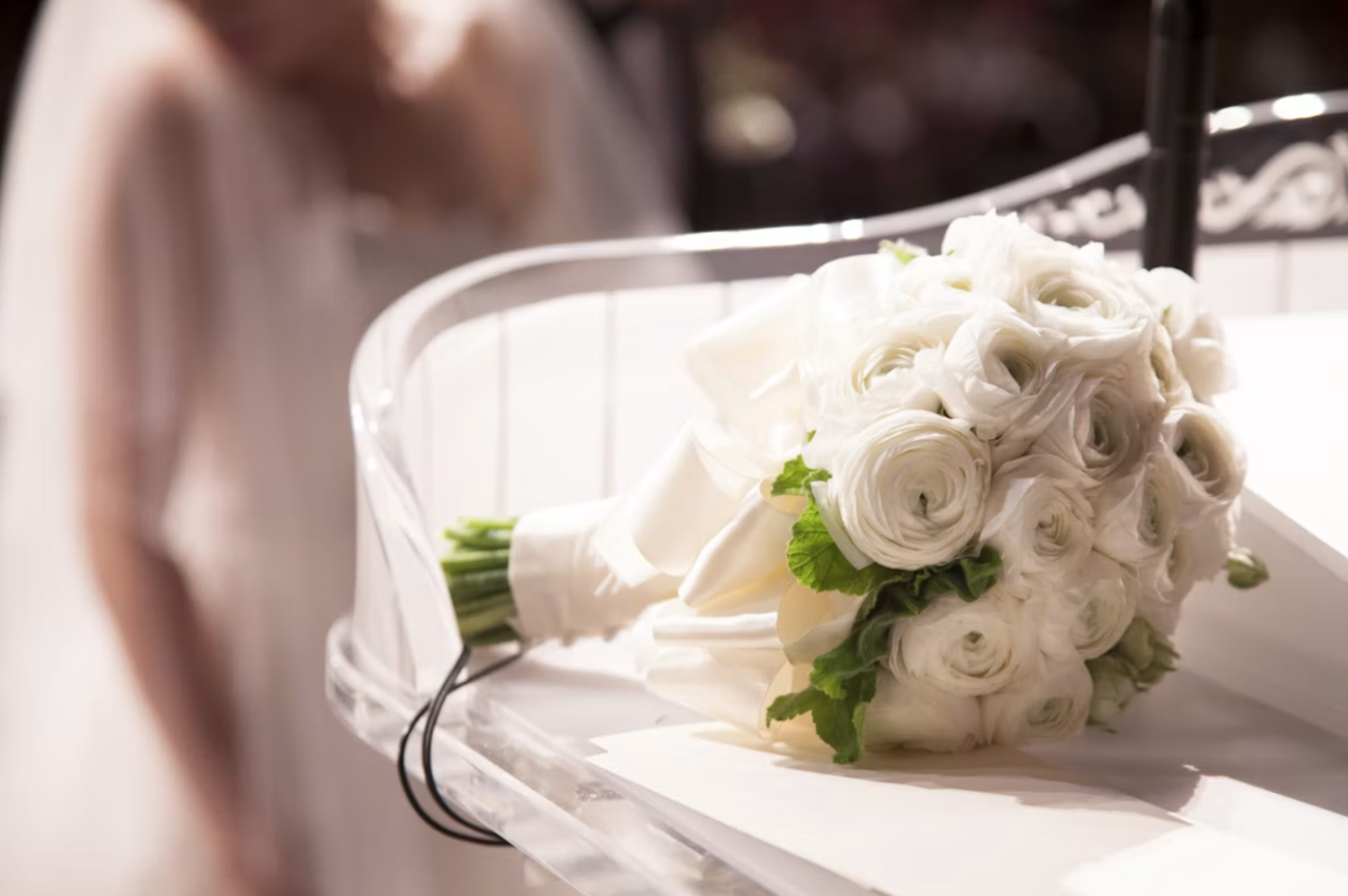
Choose single-variety arrangements – a centerpiece of 30 white ranunculus stems looks striking and avoids designer labor markups
Use potted herbs (rosemary, sage, thyme) as table accents – guests take them home, and each pot costs $3–$5
A less obvious tip: ask your florist about "seconds." California flower farms sell stems with minor imperfections – slightly shorter, a bent neck, one bruised outer petal – at 40–50% off wholesale. In a lush, loose arrangement, nobody notices the difference.
Don't Overlook Fragrance and Texture
Color and shape dominate most wedding flower conversations. Fragrance rarely gets discussed until the day itself – and then some couples discover their ceremony smells like an overwhelming perfume counter. Stargazer lilies, tuberose, and gardenias each produce intense scent. Grouping all three in a small indoor chapel creates sensory overload. I'd recommend limiting powerfully scented stems to one variety per arrangement, and placing aromatic clusters near open-air areas rather than enclosed dinner spaces.
Texture deserves equal attention. Combining velvety garden roses with spiky thistles and wispy astilbe creates visual depth that flat petal-on-petal designs lack. Dried elements – bunny tail grass, lunaria seed pods, bleached ruscus – add a modern California edge, especially at venues across the Simi Valley and Ventura County corridor where the warm golden light plays beautifully against mixed textures.
Your Flowers Tell the Story – Make Sure They Tell Yours
The competitors in California's wedding floral space focus almost entirely on selling bouquets. Very few help couples think critically about how blooms interact with a specific venue, season, and climate. That gap costs people money and leads to wilted arrangements in Instagram-tagged photos nobody wants to reshare.
My strongest advice: visit your venue, feel the air, notice the light, and then pick flowers that belong there. A Malibu cliff doesn't need the same arrangement as a Temecula barrel room. A January Big Sur elopement calls for entirely different stems than a July Ojai garden party. When flowers feel native to the setting, every photo looks effortless.
Explore options through a trusted Ventura County floral resource to compare seasonal blooms and availability for your date. The more specific your plan, the better your flowers – and your whole wedding – will look.